82 Forest Street
Medford, MA 02155

EXCEPTIONAL CARE, SPECTACULAR SMILES
EXCEPTIONAL CARE, SPECTACULAR SMILES
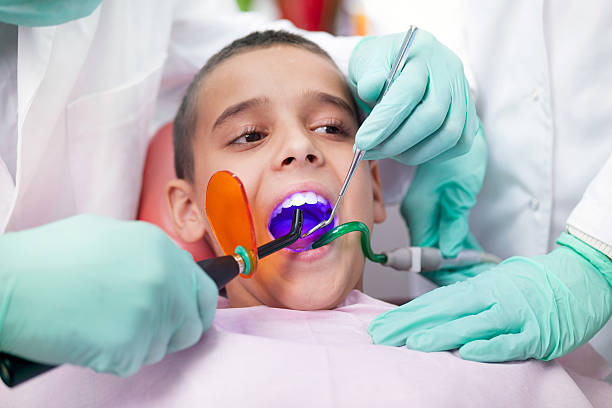
If your child brushes with fluoride toothpaste, you may wonder whether another fluoride treatment at the dentist is really necessary. Mixed messages can make that decision harder. At The Medford Center for Orthodontics & Pediatric Dentistry in Medford, MA, fluoride treatments for kids are part of a preventive dentistry conversation about your child’s age, dental history, daily habits, and risk for cavities.
Professional fluoride can provide useful protection, especially for children who are more likely to develop tooth decay. Brushing remains essential, but it does not give every child all the protection they need. Here is how fluoride fits into cavity prevention, what makes a treatment appropriate, and what to ask before your child receives it.
Professional fluoride treatments place fluoride directly on teeth to help protect their outer layer, called enamel. In pediatric dentistry, fluoride varnish is commonly used because a small amount can be painted onto the teeth quickly, including the teeth of infants and toddlers.
Fluoride supports the tooth’s natural repair process. It helps enamel resist the acids that cause decay, but it cannot make teeth cavity-proof or replace daily cleaning.
Fluoride varnish is a concentrated coating applied with a small brush. It sets when it touches saliva, helping fluoride remain in contact with the tooth surface. Your child does not need to swish it around or hold a tray of liquid in their mouth.
A pediatric fluoride treatment often takes place after a cleaning or exam. However, a full polishing is not required before varnish can be effective. That matters for young children who may tolerate a brief application more easily than a longer cleaning appointment.
Varnish differs from fluoride toothpaste in its concentration and how it is used. Toothpaste provides frequent fluoride contact during daily brushing; varnish supplies a professionally applied treatment at intervals recommended by the dentist. The two serve complementary roles.
Fluoride helps replace minerals that enamel loses during the early stages of tooth decay. Plaque bacteria use sugars from foods and drinks to produce acid. Repeated acid exposure can remove minerals from enamel faster than saliva and fluoride can help replace them.
This repair process is called remineralization. Fluoride supports it and helps the repaired surface become more resistant to future acid exposure. Both baby teeth and permanent teeth can benefit, including newly erupted molars that children are still learning to brush.
There is an important limit: fluoride cannot rebuild a missing piece of tooth or close an established cavity. Early mineral loss may be managed without a filling in some cases, but a hole, broken surface, or deeper area of decay needs its own evaluation and treatment plan.
Fluoride toothpaste provides the foundation for home cavity prevention. Professional fluoride adds protection when a child’s needs call for it; it does not mean toothpaste has failed.
For example, a child may brush twice daily but have difficulty cleaning around braces. Another may have enamel defects or reduced saliva that leaves teeth less protected between meals. Those factors can make an in-office treatment useful even when the family is making a consistent effort at home.
If you are asking, “Is brushing enough to prevent cavities?” the answer depends on more than brushing frequency. The dentist also needs to consider how thoroughly teeth are cleaned, what happens between brushing sessions, and whether early changes are already developing.
Many children benefit from professional fluoride, but the recommendation should have a clear reason. A child’s age, previous cavities, current enamel condition, and daily exposures help determine how much additional prevention is appropriate.
For young children, varnish is widely recommended beginning when teeth appear. For older children with low cavity risk, the dentist may decide that fluoride toothpaste, appropriate water exposure, and regular monitoring provide sufficient protection without additional professional fluoride. Children with higher risk generally have a stronger reason to receive it.
Children with a history of cavities or signs of active mineral loss often have the clearest need for extra protection. However, a child does not need to have a filling before preventive support becomes appropriate.
At a kids’ dental checkup, it helps to discuss:
These are discussion points rather than a home diagnostic checklist. Crowding alone does not establish high risk, and every white mark is not decay. A pediatric dentist considers the findings together before recommending treatment.
A dentist may recommend more frequent fluoride when decay is active, new cavities keep appearing, or daily risk factors remain difficult to control. The schedule should reflect what is happening in your child’s mouth rather than age alone.
A child who develops new areas of mineral loss during orthodontic treatment may need a different preventive plan from a child whose teeth have remained healthy for years. Similarly, a medication change that reduces saliva may prompt a fresh discussion about protection.
Ask what finding supports the proposed schedule and when it will be reassessed. Cavity risk can change as habits, teeth, and health needs change.
Home care is essential, but it is not enough for every child. Fluoride varnish, sealants, dietary changes, and professional monitoring can address needs that brushing and flossing do not fully resolve.
Start with brushing twice daily using fluoride toothpaste and cleaning between teeth that touch. Young children need a parent to do or help finish the brushing; older children may still need supervision until they can clean thoroughly and consistently.
For children younger than three, use a smear of toothpaste about the size of a grain of rice. From ages three through six, use no more than a pea-sized amount, supervise brushing, and encourage spitting when your child can do so. Ask the dentist to demonstrate the amount if you are unsure.
Professionally applied fluoride varnish has a well-established role in preventing cavities in children when used appropriately. Pediatric dental teams use a small amount and select a product and application method suited to the child’s age and needs.
Safety questions deserve a specific answer. Fluoride varnish applied periodically to teeth is a different exposure from regularly swallowing fluoride in water, supplements, or excess toothpaste. Discuss the product being recommended and your child’s other fluoride sources rather than treating every type of exposure as interchangeable.
Varnish delivers concentrated fluoride in a small quantity that adheres to teeth. This limits swallowing compared with methods that require a young child to manage a tray or liquid rinse. Fluoride varnish is the professionally applied topical fluoride treatment recommended for children younger than six.
The concentration on a product label does not describe the amount a child swallows. The amount applied, how the material sets, and how often it is used all matter. Your dentist can explain these differences if a concentration number has raised concerns.
Repeatedly swallowing too much fluoride while permanent teeth are forming can cause dental fluorosis, which changes enamel’s appearance and is often mild. Supervising toothpaste use and reviewing fluoride sources help reduce that risk. Varnish is intended to work on the tooth surface, although a small amount may be swallowed.
Follow the instructions for the specific varnish your child receives. Eating, drinking, brushing, and flossing directions vary by product, so advice from a previous appointment or an online article may not match today’s treatment.
Your child may notice a temporary coating, a slightly rough texture, or a change in the teeth’s appearance. Those effects generally disappear as the coating wears away or is brushed off according to the instructions. They do not mean the teeth have permanently changed color.
Before leaving, confirm when your child can eat, which foods to avoid temporarily, and when brushing should resume. If someone else will care for your child afterward, share the instructions with them too.
Ask before treatment whenever you have concerns about your child’s health, previous reactions, or fluoride exposure. Our team can explain the recommendation and discuss relevant medical or developmental considerations with you.
Mention known allergies and any reaction to a previous varnish. Some formulations contain ingredients such as resins, and certain products contain milk-derived proteins; the exact ingredient list matters for a child with a relevant allergy.
Also tell the dentist about fluoride treatments at the pediatrician’s office, prescription dental products, supplements, and your usual drinking-water source. This helps coordinate care. If your child has sensory sensitivities, sharing what textures or flavors are difficult can also help the team prepare.
Many children receive professional fluoride about every six months, while children at higher risk may benefit from applications about every three months. There is no single schedule that fits every child throughout childhood.
The schedule for fluoride and the schedule for a full cleaning do not always have to be identical. Your dentist can explain whether an additional preventive visit is useful and what it would include.
Cavity risk helps determine how often professional fluoride is likely to be useful. A child with recent cavities or active early lesions may need closer follow-up than a child with healthy enamel, consistent care, and no history of decay.
At each reassessment, the dentist can compare current findings with earlier visits. Are new white spots appearing? Is plaque easier to manage? Have frequent sugary drinks been reduced? These changes help show whether the plan needs adjustment.
More frequent treatment should be connected to a prevention goal. Parents should understand what the team hopes to improve and how progress will be checked.
Some children face practical or biological challenges that make cavity prevention harder. Needing additional support does not mean a child or parent has done something wrong.
A newly erupted molar can be difficult to reach while it sits behind the other teeth. A child with braces may need help cleaning around brackets. A child with motor limitations may need an adapted brushing routine, while one with dry mouth may have less natural protection from saliva.
In each situation, fluoride is only one part of the response. A smaller brush head, caregiver assistance, sealants, or changes to snack and drink habits may also help address the underlying problem.
Personalized prevention connects the dental findings with what your family can realistically do at home. A useful recommendation explains both the risk and a manageable next step.
Pediatric dentists have additional training in children’s oral development, behavior, and dental care needs. That perspective helps them consider newly erupting teeth, a child’s ability to cooperate with brushing, and health conditions that affect treatment.
If you are unsure why fluoride has been recommended, ask the team to show you the areas of concern. Seeing where plaque collects or which tooth has a deep groove can make the advice easier to put into practice.
Have questions about your child’s cavity risk? Our team can help you understand whether fluoride belongs in their preventive plan at their next pediatric dental visit.
Fluoride and sealants protect teeth in different ways. Fluoride helps enamel resist decay, while sealants create a physical barrier in vulnerable pits and grooves. A child may benefit from either or both.
The choice depends on the tooth surface being protected and the child’s overall risk. Fluoride varnish does not seal a deep groove in the way a dental sealant does.
Fluoride can support enamel across treated tooth surfaces. Sealants are thin coatings placed into selected pits and grooves, usually on the chewing surfaces of back teeth, where a toothbrush may struggle to remove trapped debris and plaque.
Sealants are often considered as permanent molars erupt, although selected baby teeth may also benefit. The dentist assesses whether a tooth is suitable and checks existing sealants over time because they may need repair or replacement.
Neither treatment cleans between teeth or removes the need for brushing. They target different parts of the cavity-prevention problem.
A child with deep molar grooves and a history of cavities may benefit from sealants on those chewing surfaces and fluoride for broader enamel protection. Using both can be reasonable when each has a clear purpose.
For example, sealing a molar does not protect the smooth surface beside an orthodontic bracket or the contact area between two other teeth. Fluoride and effective daily cleaning remain relevant to those areas.
Our guide to cavity prevention for children in Medford explains how preventive options fit together. At your child’s appointment, ask which teeth might benefit from sealants and why.
A fluoride application is usually a brief part of a preventive visit. The dental team reviews relevant health information, examines your child’s teeth, and explains whether fluoride is recommended before applying it.
The entire appointment may include more than the varnish itself. Time spent discussing brushing, examining teeth, or helping a child become comfortable serves a different purpose from the few minutes needed for the application.
Varnish is painted onto the teeth with a small brush, and the application itself generally does not hurt. No drilling or numbing injection is required to apply it.
Some children dislike the taste, coating, or feeling of having their mouth examined. A quick treatment can still feel unfamiliar to a toddler or a child with sensory sensitivities, so comfort should not be assumed from the short treatment time alone.
Let the team know how your child responds to new experiences. A simple explanation beforehand, a chance to see the brush, or appropriate positioning with a caregiver may help, depending on the child and the situation.
Fluoride is often included in a visit that also involves an examination, cleaning as appropriate, and a review of cavity risk. Each part has a separate job.
Dental X-rays may be recommended when needed to evaluate areas that cannot be assessed fully by looking in the mouth. They are selected according to individual needs rather than automatically required every time varnish is applied.
At The Medford Center, preventive recommendations consider your child’s dental history, oral development, daily hygiene, diet, and current cavity risk. You can ask how fluoride fits with the other care being recommended and what you can do at home.
Our practice provides pediatric dentistry and orthodontics in one location. For children wearing braces or approaching orthodontic treatment, that makes it especially relevant to discuss cleaning challenges and prevention alongside tooth alignment.
Bring an updated medication list and mention any changes since the previous visit. It also helps to describe your child’s actual routine, including brushing struggles or frequent snacking, so the conversation leads to advice your family can use.
Preventive pediatric dentistry helps reduce cavity risk and identify developing problems before they become more complicated. Fluoride contributes to that goal alongside home care, regular examinations, and other treatments selected for your child.
No preventive plan guarantees that a child will never have a cavity. Its value is in lowering risk, monitoring changes, and responding early when protection needs to improve.
Reducing decay can lower the likelihood of needing fillings and help children avoid discomfort that affects eating, sleep, or school. When decay does occur, finding it early can expand the treatment options available.
Early enamel changes sometimes can be managed with a dentist-directed plan that supports remineralization and changes the conditions causing decay. Once the tooth surface has broken down, a filling or another treatment may be needed.
This is why a fluoride application should not substitute for examining a painful tooth. If your child reports persistent sensitivity or pain, call for an evaluation rather than waiting for the next routine preventive visit.
Baby teeth need protection because they support chewing, speech development, and space for permanent teeth. Some remain in the mouth for years after the first adult teeth arrive.
Their temporary role does not make untreated decay harmless. A cavity in a baby tooth can cause pain or infection and may require treatment long before the tooth would naturally fall out.
Fluoride for baby teeth can begin after teeth erupt. Establishing dental care early also gives parents guidance on toothpaste amounts, cleaning, feeding habits, and what to expect as more teeth appear. A first dental visit is recommended within six months of the first tooth and no later than the first birthday.
Routine visits allow the dentist to notice changes parents may not see at home. Small areas of mineral loss, plaque along the gumline, and newly erupted teeth with deep grooves can be difficult to assess without an examination.
Checkups also provide a chance to revisit advice as your child grows. A toddler learning to accept brushing needs different support from a teen managing braces, sports, and independent food choices.
Tell the team what has become easier or harder since the last visit. A prevention plan works better when it responds to your child’s current life rather than repeating the same instructions indefinitely.
Fluoride varnish can be applied once a child’s first tooth erupts. There is no need to wait until all baby teeth have come in. A dentist or pediatrician can discuss timing, and families should share treatments received in either setting to help coordinate care.
Professionally applied fluoride varnish is recommended for toddlers when used appropriately. It uses a small quantity that sets on the teeth, which makes it suitable for children who cannot reliably spit. Tell the clinician about allergies, previous reactions, and other fluoride products your child uses.
Many do, particularly young children and those at increased risk for cavities. Toothpaste provides daily protection, while varnish can add protection according to the dentist’s assessment. For some older children with consistently low risk, additional professional fluoride may not be necessary.
The coating generally remains for several hours, with the intended contact time depending on the product. It may feel noticeable until it wears away or is brushed off as instructed. Follow the office’s specific directions rather than trying to keep a visible coating on the teeth for days.
Coverage depends on your plan, your child’s age, and how often treatment is allowed. Fluoride may have separate benefit limits even when an examination and cleaning are covered. Ask your insurer or the office to review the benefit and any expected out-of-pocket cost before treatment.
Fluoride helps enamel resist decay, while sealants cover selected pits and grooves with a protective barrier. They serve different purposes and may be recommended together. The dentist can explain which surfaces each treatment would protect for your child.
A dental examination and risk assessment are the most reliable way to find out. Previous cavities, frequent sugar exposure, visible plaque, dry mouth, and difficulty brushing are reasons to discuss extra prevention. A child can have increased risk before you notice pain or a visible hole.
The Medford Center provides pediatric dental care, including preventive visits and fluoride treatment discussions. You can request an appointment to review your child’s cavity risk and home-care routine. Bring questions about toothpaste, sealants, or prior fluoride recommendations so the visit addresses your concerns.
Ask about fluoride at your child’s next preventive visit, or sooner if you notice a change in their teeth or comfort. You do not need to wait for a cavity to ask whether their current prevention plan is enough.
It is also a useful conversation when braces are placed, medication changes, brushing becomes difficult, or your family’s usual drinking-water source changes. These situations may affect recommendations even when your child’s age has not changed much.
Previous cavities, visible plaque, and difficulty keeping teeth clean are good reasons to ask about additional protection. Other changes to mention include:
These signs do not automatically mean your child needs varnish. White spots can have several causes, and sensitivity may require treatment beyond prevention. The dentist needs to identify the cause before recommending the next step.
If a cavity has already developed, ask how it will be treated and how the risk of additional decay will be reduced. Repairing one tooth and improving the conditions that led to decay are both part of protecting your child’s smile.
Ask questions that connect the recommendation to your child’s needs. These can help make the discussion practical:
You can also ask the team to demonstrate a brushing technique or point out an area that needs more attention. Specific advice is easier to follow than a general reminder to brush better.
Families looking for a pediatric dentist in Medford, MA can schedule a preventive visit at The Medford Center to discuss fluoride, cleanings, examinations, and cavity prevention. Our team can help you understand your child’s needs and choose practical steps for care between visits.
If you are unsure whether brushing at home is enough, bring that question with you. A review of your child’s teeth and daily routine can give you a clearer answer than a general recommendation alone.
Schedule your child’s preventive dental appointment with The Medford Center. Let’s talk about the protection their teeth need now and how to support it at home.
